NSFAS Completes 2026 Student Funding Details
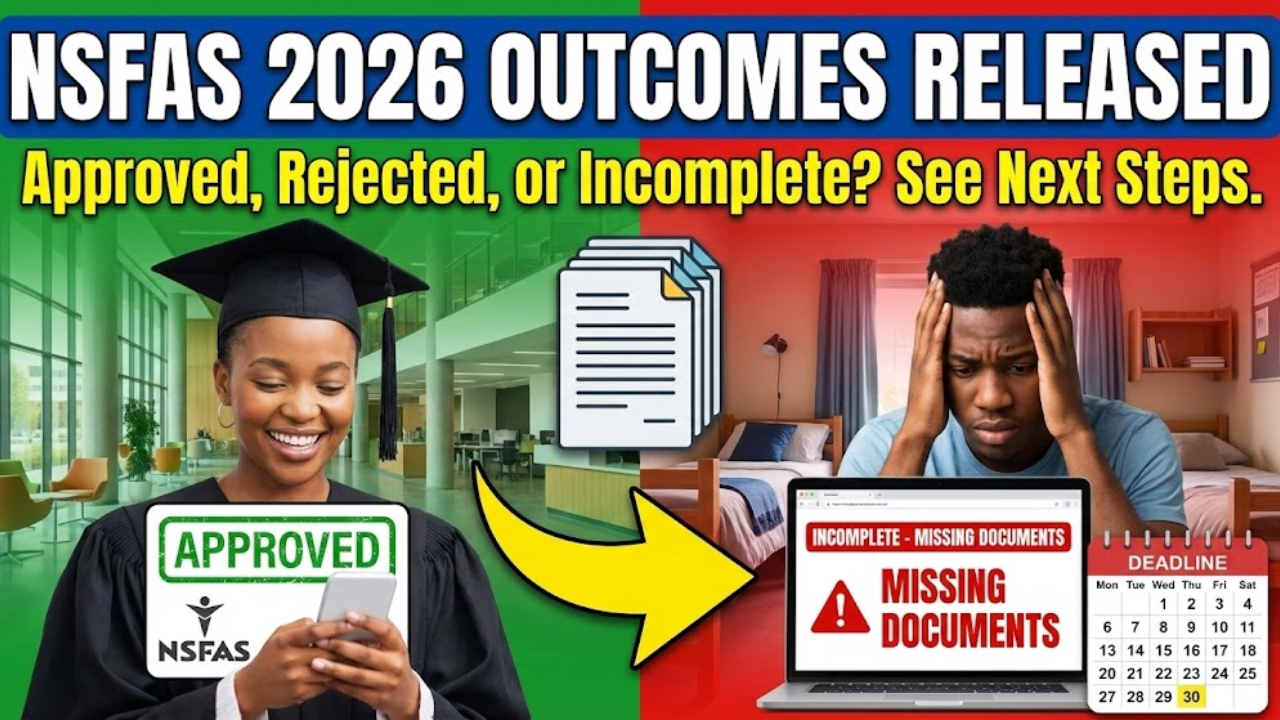
The National Student Financial Aid Scheme (NSFAS) has reached an important milestone by completing all funding decisions for the 2026 academic year before universities and colleges reopened. This early completion marks a major improvement in how student financial aid is managed in South Africa.
By finalising funding outcomes ahead of time, NSFAS has reduced uncertainty for students and their families. Learners can now plan their studies, accommodation, and registration with greater confidence, knowing where they stand financially.
This achievement reflects stronger planning and improved systems within NSFAS, helping to support access to higher education for thousands of deserving students across the country.
Overview of NSFAS and Its Role in Student Support
NSFAS plays a critical role in making higher education accessible to students from low- and middle-income households. Each year, the scheme supports students enrolled at public universities and Technical and Vocational Education and Training (TVET) colleges.
You can also read: How to Upload Documents on NSFAS
The funding provided by NSFAS helps cover essential study-related costs, allowing students to focus on their education rather than financial stress. This support has a direct impact on student success and national skills development.
NSFAS funding generally assists with:
- Tuition fees at public institutions
- Approved accommodation costs
- Learning materials such as textbooks
- Allowances for daily living expenses
Through this support, NSFAS continues to contribute to reducing inequality in access to education.
First-Time Student Applications for 2026
For the 2026 academic year, NSFAS received a very high number of applications from first-time students. These applications came from learners hoping to begin their higher education journey with financial support.
A large number of applicants successfully qualified for funding, while others faced challenges such as incomplete submissions or not meeting the eligibility criteria. The outcomes show both progress and areas where students need more guidance.
Summary of First-Time Application Outcomes
| Application Status | Number of Students |
|---|---|
| Qualified for financial aid | 609,403 |
| Applications rejected | 49,538 |
| Incomplete applications | 218,043 |
| Withdrawn or cancelled | 16,863 |
More than 600,000 students qualified for funding, although some still need to confirm admission at an institution before funds can be released.
Reasons Behind Incomplete Applications
A significant number of applications were marked as incomplete because essential documents were missing or incorrectly submitted. NSFAS has already contacted affected students with clear instructions on what needs to be corrected.
Incomplete applications are not rejected immediately. Instead, students are given time to fix the problem and resubmit the required documents within a set period.
The most common missing items include:
- Signed parental or guardian consent forms
- Correctly completed NSFAS declaration forms
- Supporting documents needed for income verification
Students have 30 days from notification to submit these documents. Missing this deadline will result in the application being considered unsuccessful.
You can also read: NSFAS Payment Schedule 2026 South Africa
Funding Outcomes for Continuing University Students
NSFAS also reviewed students who had received funding in previous academic years. These continuing students were assessed mainly on academic progression requirements.
Many students met the criteria and will continue receiving financial support in 2026. However, a portion of students did not meet the required standards and may need to explore alternative options.
Key outcomes for continuing students include:
- Students who met academic progression requirements
- Students who did not meet the minimum criteria
- Students eligible to submit appeals
The results for TVET college students will be released on January 13, and these outcomes are expected to add further clarity.
Appeals Process for Rejected Applicants
Students who were rejected are not without options. NSFAS allows applicants to submit an appeal if they believe the decision was incorrect or if their circumstances have changed.
The appeals system for 2026 has been improved to make it clearer and more efficient. Students must ensure that all supporting documents are included when submitting an appeal.
Important points to remember about appeals:
- Appeals must be submitted within 30 days of receiving the outcome
- All required documents must be attached
- Incomplete appeals will not be processed
This structured approach helps ensure fairness while speeding up final decisions.
Payment of Outstanding 2025 Claims
In addition to focusing on 2026 funding, NSFAS has also addressed outstanding payments from the 2025 academic year. Many claims from universities and accommodation providers have already been settled.
NSFAS continues to work with institutions where short payments remain. Providers have been instructed to submit any outstanding claims through official NSFAS channels to ensure proper verification and payment.
This step strengthens trust between NSFAS, institutions, and accommodation providers, supporting smoother operations going forward.
What the 2026 Funding Decisions Mean for Students
Completing funding decisions before the academic year begins has clear benefits for students. It reduces uncertainty and allows learners to prepare properly for registration, accommodation, and academic planning.
Students now have clearer next steps depending on their application status:
- Approved students can proceed with confidence
- Students with incomplete applications know what to submit
- Rejected students have access to a defined appeals process
Overall, the system is more transparent, structured, and student-focused than in previous years.
Conclusion on the 2026 Academic Year
The early completion of NSFAS funding decisions for 2026 is a positive development for higher education in South Africa. It shows progress in administration, communication, and planning.
With more than one million students benefiting from NSFAS each year, timely decisions make a real difference. Students can now focus on their studies rather than uncertainty about financial support.
You can also read: Funding Relief from NSFAS Acknowledged
For those still required to submit documents or appeals, the opportunity remains open. NSFAS continues to encourage eligible students to take the necessary steps to secure their funding and succeed in their academic journey.